How Preventative Maintenance Lowers Insurance Premiums
This post is written by Trusted Partner, Park Insurance. To become a contributing editor, please contact our Real Estate Investor Solutions Specialist, David Maxwell at david@reincanada.com.
Owning real estate—whether residential, multi-family, or commercial—comes with ongoing responsibilities. One of the most effective yet often overlooked strategies to reduce long-term costs is preventative maintenance. By keeping your property in top condition, you not only extend the life of your investment but also reduce the likelihood of insurance claims. In turn, this proactive approach can lead to more favorable insurance premiums.
In this article, we’ll explore how preventative maintenance supports risk management, lowers
costs, and positions property owners for better insurance outcomes.
The Link Between Maintenance and Risk Reduction
Insurance premiums are largely determined by perceived risk. Properties that demonstrate good upkeep and active risk management are often viewed more favorably by insurers. Neglected maintenance, on the other hand, increases the likelihood of costly claims—such as water damage from leaking roofs, fires from faulty wiring, or liability claims from unsafe walkways.
Examples of preventative maintenance that insurers look upon favorably include:
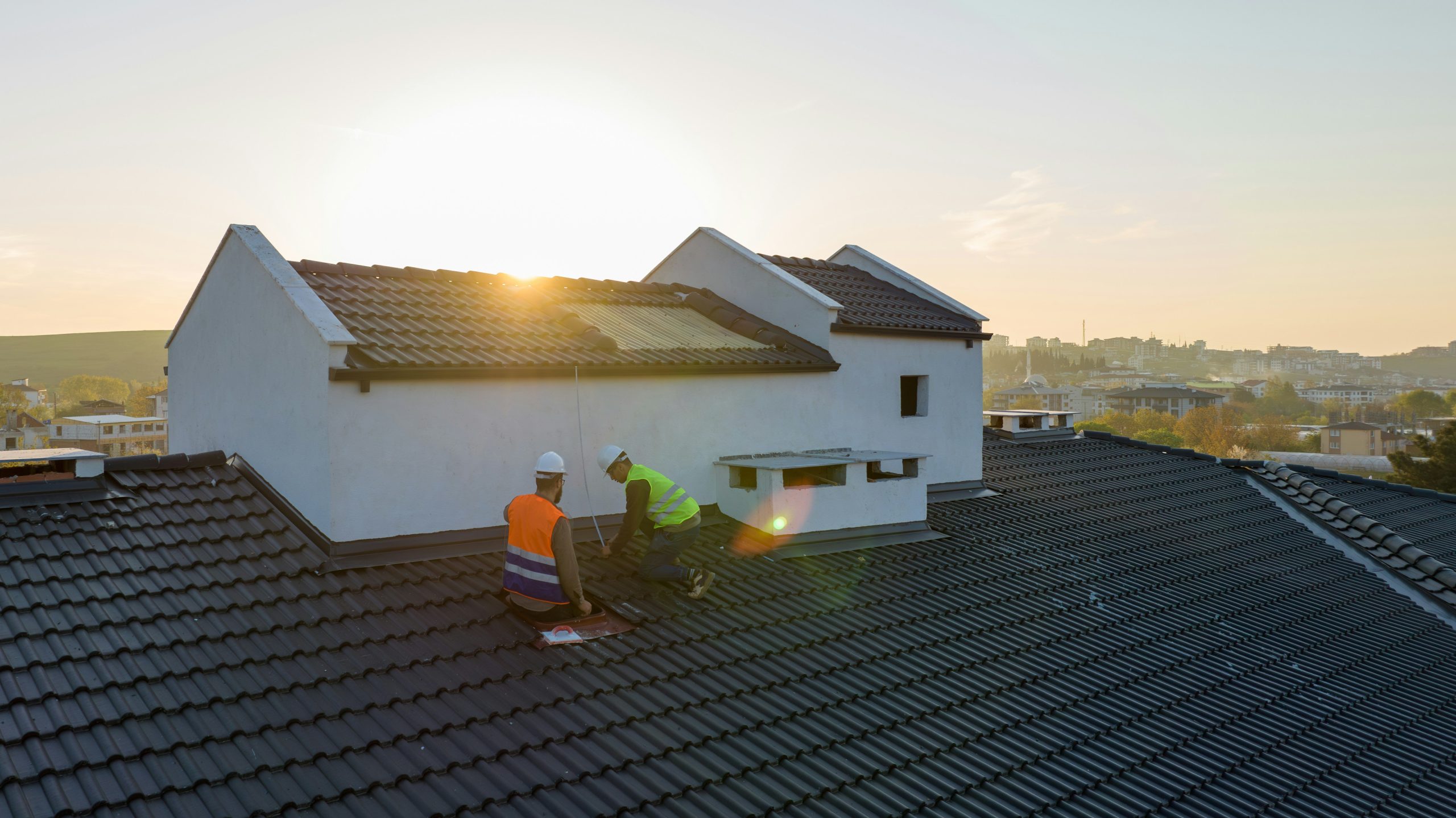
- Regular Roof Inspections and Repairs: Prevents leaks, mold growth, and structural damage.
- HVAC and Boiler Servicing: Reduces the chance of breakdowns and fire hazards.
- Plumbing Checks: Helps avoid burst pipes and subsequent water damage claims.
- Exterior Upkeep: Properly maintained walkways, stairs, and lighting reduce liability risks.
By investing in these measures, property owners not only prevent losses but also demonstrate to insurers that they take risk seriously.
How Maintenance Impacts Insurance Premiums
Insurers reward lower-risk properties with lower premiums. Preventative maintenance impacts premiums in several ways:
1. Fewer Claims Over Time
Insurers consider your claims history when calculating premiums. A well-maintained property experiences fewer incidents, which helps keep rates stable or even lowers them at renewal.
2. Eligibility for Better Coverage & Lower Premiums
Some insurers offer better options for risk-reducing improvements such as updated wiring, new roofing materials, sprinkler systems, or security upgrades. Older buildings that are not updated will not qualify for the best packages.
3. Reduced Liability Exposure
Maintenance that addresses trip hazards, fire safety, and structural integrity lowers liability risks, which can reduce liability insurance premiums.
Practical Maintenance Strategies for Property Owners
To maximize the benefits, property owners should adopt a structured maintenance plan. Consider implementing:
- Scheduled Inspections: Conduct seasonal or annual checks on roofs, plumbing, electrical systems, and major equipment.
- Documentation and Records: Keep detailed logs of inspections, repairs, and upgrades. Insurers may request this information when assessing premiums.
- Upgrades and Modernization: Replacing outdated systems, such as knob-and-tube wiring, poly-b plumbing, or older furnaces, signals reduced risk.
- Tenant Communication: In rental properties, encourage tenants to report issues promptly to prevent small problems from becoming major claims.
These steps not only safeguard the property but also provide tangible evidence to underwriters of your commitment to risk management.
Understanding What Insurance Doesn’t Cover
Even with strong maintenance, insurance has exclusions. Wear and tear, gradual deterioration,
and lack of upkeep are typically not covered under standard property policies. For example:
- A burst pipe from freezing temperatures may be covered, but gradual leaks from neglected plumbing often are not.
- A roof damaged by a storm may qualify for coverage, but repairs from long-term neglect will likely be denied.
This distinction underscores why preventative maintenance is so important—it bridges the gap between what insurance protects and what is considered the owner’s responsibility.
Working With an Insurance Broker
Preventative maintenance is only one piece of the puzzle. To maximize its impact on your insurance premiums, work with an experienced insurance broker who can:
- Highlight maintenance practices that insurers value most.
- Recommend coverage enhancements for high-risk systems like HVAC or elevators.
- Provide guidance on claims prevention strategies tailored to your property type.
An engaged broker will also ensure you receive any applicable discounts tied to your maintenance and risk management efforts.
Conclusion
Preventative maintenance is more than just good property management—it’s a financial strategy that can directly lower your insurance premiums. By reducing claims, extending the life of building systems, and demonstrating responsible ownership, property owners position themselves for lower costs and greater long-term security.
For investors and landlords, the message is clear: a proactive approach to maintenance is one of the most effective ways to protect your bottom line while keeping insurance premiums manageable.
Chris Westrop is the Vice President of Commercial Lines at Park Insurance. With over 30 years of experience in the commercial insurance industry, he is a Chartered Insurance Professional with the Insurance Institute of Canada. As a REIN member and regular attendee at many of their programs, Chris brings valuable insights to real estate investors. Learn more about Chris and the experienced team of commercial insurance advisors at Park Insurance. Chris can be reached at (604) 659-3133 or cwestrop@park.ca.
All Access