
Seven Hidden Costs of Achieving Meaningful Goals

The latest episode of The Everyday Millionaire Podcast is now online!
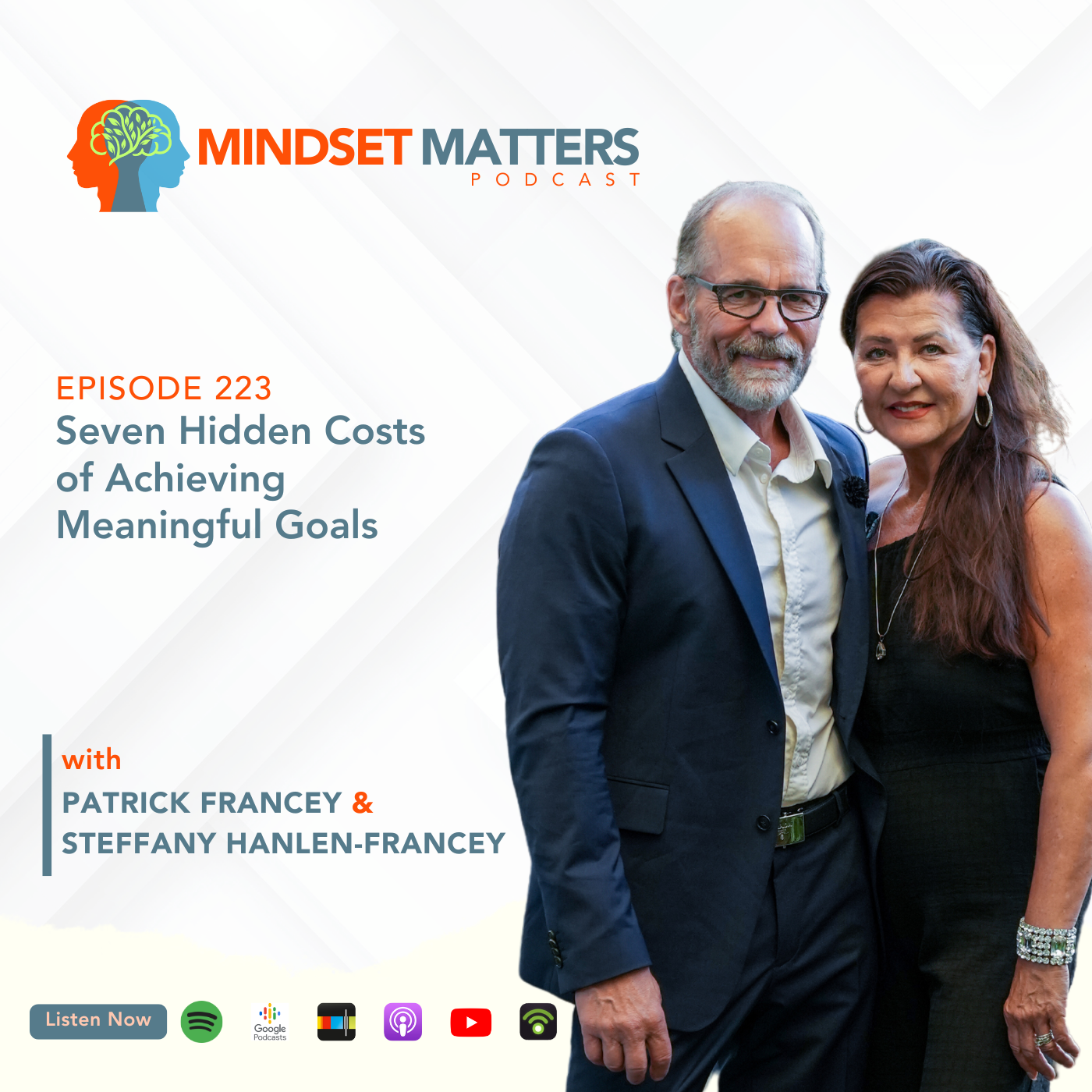
“Why the conversation about mindset and why is it important? It’s not just about success, it’s not about getting shit done, it’s not about being uber successful in business or in life. It’s really how we approach business, how we approach life. It’s actually all about us and how we view the world.”
– Patrick Francey
Mindset Matters: Seven Hidden Costs of Achieving Meaningful Goals
In this Mindset Matters episode, Patrick Francey challenges a common belief about why people feel stuck. The obstacle is rarely a lack of talent, intelligence, or opportunity. More often, it is a price they are unwilling or unconscious about paying. Patrick reframes pressure, discomfort, and uncertainty as proof of growth rather than signals of failure, drawing on powerful examples from elite Olympic athletes who expect fear, doubt, and strain because they trained for them.
At the heart of the conversation is self mastery and what Patrick calls the true cost of entry to meaningful goals. He explains that outcomes are limited not by ability but by tolerance for discomfort, restraint, discipline, and honesty. Using both high performance sport and everyday life as reference points, Patrick outlines seven costs of entry that show up for anyone pursuing growth. These include uncertainty, imposter syndrome, loneliness, embarrassment, hard conversations, criticism, and boredom.
Rather than presenting these costs as problems to eliminate, Patrick argues they are unavoidable gates that must be passed through. Pressure is not the enemy. It is evidence that you are playing at a higher level. Imposter syndrome is not a sign you are unqualified. It signals that your identity is expanding faster than your comfort zone. Loneliness and solitude are framed as transition phases, where old patterns fall away before new ones take shape.
Patrick also addresses why so many people stall. They avoid embarrassment, delay courageous conversations, seek universal approval, or quit when the process becomes repetitive. In doing so, they trade long term fulfillment for short term comfort. The episode ends with a grounded reminder that life by design does not come free. The real question is not whether there is a cost, but whether the goal is worth paying it willingly and consistently.
All Access